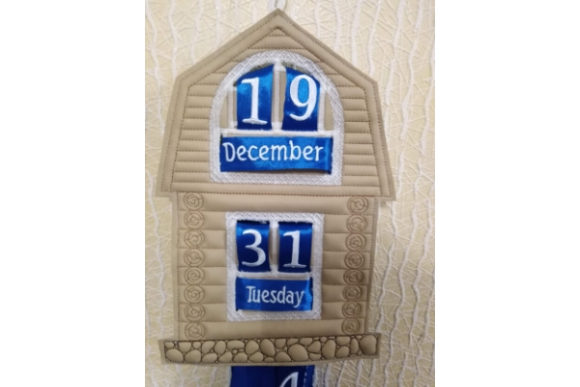
Perpetual Calendar Embroidery Design Review
First Impressions of Perpetual Calendar
The Perpetual Calendar machine embroidery design makes a strong first impression. Its title and description suggest a versatile, high-quality digital embroidery file that can be adapted to various sewing projects. From the outset, it feels professional yet approachable, with a visual personality that leans toward the modern and elegant. The name itself implies timelessness—perfect for businesses seeking a subtle but impactful logo or branded element.
As an experienced embroidery designer, I appreciate when a design conveys both function and style. Perpetual Calendar appears suitable for small business merch, including embroidered patches, uniforms, tote bags, and more. Its adaptability is key, especially for brands that want their logo or design to maintain clarity across multiple product types and sizes.
Real-World Business Use of Perpetual Calendar
When evaluating how well the Perpetual Calendar design works in real-world scenarios, several use cases stand out:
- Embroidered Patches: This design shines as a patch on denim jackets, backpacks, or promotional items. Its structured layout allows for clear branding without overwhelming the fabric.
- Staff Uniforms: As a chest logo accent or sleeve detail, Perpetual Calendar adds a refined touch to custom apparel. It’s ideal for cafés, boutiques, and creative studios looking to elevate their staff look subtly.
- Apron Embroidery: For bakeries, handmade shops, or craft studios, this design can serve as a front pocket emblem or waistband detail, enhancing brand visibility while staying visually unobtrusive.
- Cap Embroidery: A smaller version of Perpetual Calendar could work well on cap fronts, particularly if simplified. However, caution is needed due to curved surfaces and limited space.
- Tote Bag Design: Placed centrally or near the top handle, Perpetual Calendar functions effectively as a brand mark. It complements minimalist aesthetics and reinforces professionalism.
- Product Packaging Accents: When used as a label or corner embellishment, the design adds a premium feel to packaging, especially for handmade products like candles, soaps, or greeting cards.
- Boutique Merchandise: The design pairs well with other brand elements such as taglines or seasonal motifs. It’s particularly suited for customer gifts and event merch, where a cohesive visual identity matters.
- Etsy Branding: Handmade brands using Perpetual Calendar can create consistent product labels, tags, or even stitched into the seam of their items to reinforce authenticity and quality.
- Craft Business Assets: Whether applied to reusable shopping bags, aprons, or workshop materials, the design maintains a professional appearance across different textiles and uses.
- Printable Mockups: With its clean lines and defined structure, Perpetual Calendar translates well into printable mockups, helping clients visualize the finished product before production begins.
- Commercial Embroidery Projects: This design offers enough complexity to feel unique, yet remains manageable for bulk production. It's a solid choice for small businesses needing scalable branding solutions.
Where to Use Perpetual Calendar Carefully
While Perpetual Calendar is adaptable, there are certain contexts where extra attention is required:
- Small Patch Sizes: If you plan to scale the design down significantly, test it at minimum size to ensure legibility and clarity.
- Cap Fronts: Curved surfaces may distort details. Consider resizing or simplifying the design for cap embroidery to maintain proportionality.
- Curved Surfaces: The design’s shape must align with the curvature of the item to avoid stretching or misalignment.
- Tiny Lettering: If the design includes text, verify that the font remains readable after scaling. Small lettering might need bold outlines or simplified forms.
- High Stitch Density: Be mindful of stitch density, especially if the design will be used on lightweight fabrics. High density can cause puckering or distortion.
- Detailed Outlines: The edges should be reviewed for smoothness and consistency to ensure they don’t appear jagged when printed or sewn.
- Textured Fabric: On canvas, denim, or linen, the design might not lay flat due to fabric texture. Proper stabilizer and underlay settings are crucial here.
- Dark Uniforms: Thread color contrast becomes vital. Light thread colors may fade on dark backgrounds; consider using metallic or contrasting shades for better visibility.
- Frequent Washing: Items like aprons or tote bags that endure regular washing should be tested for durability. Ensure the design holds up over time without fraying or loosening.
Impact on Brand Identity and Customer Engagement
Choosing the right embroidery design for your brand isn’t just about aesthetics—it’s about making a statement. Perpetual Calendar contributes positively to brand identity by offering a clean, recognizable motif that can be consistently applied across various items. It helps build customer trust through polished presentation and visual reliability.
This design supports visual consistency in small business merch. When repeated on uniforms, product labels, and promotional items, it enhances brand recognition, making your company more memorable. Additionally, it elevates the perceived product value, especially when applied to handmade goods or boutique merchandise.
For handmade brands and Etsy sellers, Perpetual Calendar can serve as a signature element that reflects craftsmanship and attention to detail. It also aids in buyer engagement by providing a familiar visual cue that customers associate with quality and intentionality.
Designer Notes: Best Practices for Using Perpetual Calendar
To get the most from Perpetual Calendar in commercial embroidery projects, follow these practical tips:
- Test in Black and White First: Confirm the design’s integrity without color interference. This helps identify potential issues with spacing or contrast.
- Check Small Patch Size Compatibility: If intended for embroidered patches, ensure the design reads clearly at reduced dimensions.
- Review Thread Color Contrast: Choose thread colors that complement your brand palette and stand out against the fabric background.
- Inspect Spacing and Alignment: Make sure all elements are evenly spaced and centered within the hoop size to avoid misplacement during production.
- Confirm Hoop Size: Although exact specifications aren't provided, always check the recommended hoop size for the design to prevent shifting or stretching.
- Test on Real Fabric: Digital embroidery files often behave differently in practice. Always do a sample run on actual material to assess performance.
- Use Proper Stabilizer: Especially important for delicate or textured fabrics. A good stabilizer ensures the design remains intact and flat after stitching.
- Create a Printable Mockup: Present a mockup to your client to confirm placement and overall look before committing to large-scale production.
- Compare Beside Other Design Assets: Ensure Perpetual Calendar aligns with your existing logos, fonts, and visuals for a unified brand experience.
- Verify Commercial Licensing: Before using the design for branded merchandise, always confirm that the digital embroidery file comes with appropriate commercial rights.
Final Thoughts on Perpetual Calendar for Business Embroidery
The Perpetual Calendar machine embroidery design is a valuable asset for any small business owner, embroiderer, or merch creator. Its modern and elegant appeal makes it suitable for a wide range of applications—from embroidered patches to custom apparel and beyond. While it excels in many areas, careful consideration of scale, fabric type, and placement is necessary to maintain its professional impact.
Whether you're decorating staff uniforms, adding a brand mark to tote bags, or creating custom gift items, Perpetual Calendar provides a reliable foundation for building a cohesive and trustworthy brand image. Just remember to tailor it to your specific needs and always test before full production.