Eyelash Embroidery Design Review for Craft Fair Success
First Impressions of the Eyelash Machine Embroidery Design
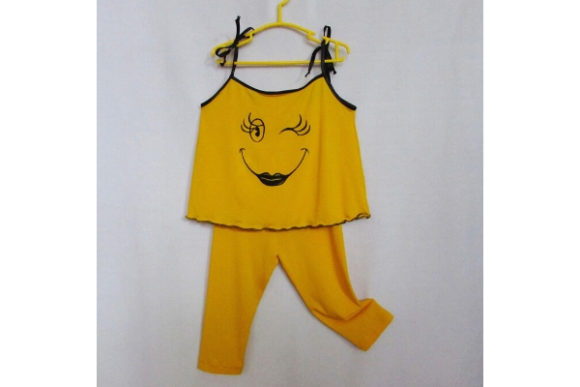
The Eyelash machine embroidery design immediately stands out with its soft, elegant appeal. Its name suggests something delicate and refined, which translates well into a design that feels both modern and subtly whimsical. From the title and description alone, it’s clear this is a high-quality embroidery file intended to elevate your next sewing project.How Eyelash Performs on Craft Fair Products
- Tote Bag Design: A large tote bag embroidered with the full-scale version of Eyelash adds a touch of elegance and makes for an eye-catching market bag. It’s perfect for shoppers who appreciate understated style.
- Apron Embroidery: Placing Eyelash near the pocket area of an apron gives it a farmhouse flair while maintaining a clean aesthetic. It works especially well if paired with other nature-inspired elements.
- Tea Towel Embroidery: On linen or cotton tea towels, the design becomes a decorative accent that adds personality to kitchen spaces. Make sure thread colors pop against light-colored fabrics.
- Embroidered Patch: A smaller patch version of Eyelash could be used as a customizable accessory for denim jackets or bags. It’s portable, appealing, and great for impulse purchases.
- Fabric Pouches and Pillow Covers: These small shop products benefit from the design’s soft curves and minimalistic feel. They photograph beautifully for online listings and make excellent handmade gifts.
Practical Selling and Production Considerations
Glance Appeal: One of the key factors in what sells at a craft fair is how quickly a customer can understand and appreciate the design. The Eyelash embroidery file is easy to interpret visually — no need for lengthy explanations. Its recognizable shape allows customers to connect with it instantly.
Design Scale: This design functions well as both a small accent and a larger focal piece. For instance, using it on a cap would require a compact version without losing its charm, while a larger pillow cover or tote bag allows the design to shine. Always test scale options on different items before finalizing your booth lineup.
Photography Potential: If you're an Etsy seller or digital embroidery file provider, the way your finished product photographs is crucial. The soft lines and balanced composition of Eyelash lend themselves well to high-quality images. It looks equally stunning in natural light and under artificial lighting at indoor markets.
Batch Production Readiness: Because the design appears to be cleanly structured, it should translate reliably across multiple hoops and fabric types. However, always review spacing and stitch density to ensure consistency when producing multiple units. A repeatable, uniform appearance is essential for commercial embroidery success.
Important Careful-Use Notes
- Dense Stitch Areas: If the design includes intricate details, inspect those zones closely for potential puckering or tension issues, especially on stretchy or thick fabrics.
- Tiny Details: Any fine elements may become lost on textured or dark materials. Test the design on sample fabrics similar to what you plan to use in production.
- Small Lettering (if applicable): If part of the design contains text or script, confirm that it remains legible even when scaled down for patches or pouches.
- Curved Surfaces: When applying the design to curved surfaces like caps or round pillows, adjust the hoop placement carefully to maintain alignment and clarity.
- Dark Fabric Contrast: Thread colors may lose their vibrancy on darker backgrounds. Always compare fabric colors with the design assets to ensure visibility and visual interest.
Designer Tips for Using Eyelash in Your Projects
- Test on Scrap Fabric: Before moving to production, stitch the design on a scrap of your intended fabric to check how it reacts to different textures and weights.
- Check Thread Colors: Ensure the thread colors included in the embroidery file complement your fabric choices. You might find yourself tweaking colors for better contrast or warmth.
- Review Spacing: Confirm that the design fits comfortably within the hoop size you’re planning to use. Too much empty space around the design can dilute its impact.
- Confirm Hoop Size: While the product description mentions multiple file formats, it doesn't specify hoop size requirements. Always verify this detail before purchasing or preparing for batch production.
- Inspect Stitch Density: Look for any overly dense sections that could cause distortion or damage to delicate fabrics. Adjust stabilizer use accordingly.
- Use the Right Stabilizer: Depending on your fabric type, choose between cutaway, tear-away, or wash-away stabilizers to keep the design intact and professional-looking.
- Create a Real Mockup: Use a printable mockup or create a physical sample to see how the design looks in context. This helps guide your pricing and presentation strategy.
- Compare Fabric Colors: Different dye lots or color variations in fabric can change the way the design appears. Always test on actual fabric swatches.
- Confirm Commercial Licensing: As a digital seller or commercial embroiderer, it’s essential to verify that the design allows for resale of finished products. Without proper licensing, you risk legal complications later.