Minimalistic One Line Rooster Embroidery Review
If you're prepping for a weekend craft fair or building your handmade product line, the Minimalistic One Line Rooster is worth a closer look. As an embroidery designer with years of experience in creating and selling digital embroidery files, I've seen countless designs come and go. This one stands out—not because it’s flashy or complicated, but because it’s smartly designed to work across multiple products while staying true to the charm of Farm Animals and the appeal of Embroidery.
First Impressions: A Design That Speaks Quietly But Loudly
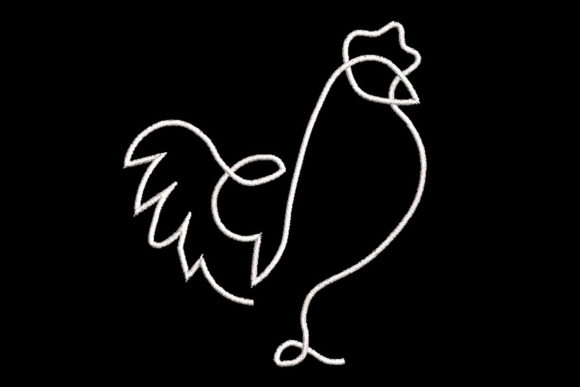
The moment I opened the file, the Minimalistic One Line Rooster gave off a clean, modern vibe. It’s not the kind of design that yells at customers from across the room, but rather one that invites them to stop and admire the subtle beauty of its form. The continuous single line approach makes it feel both elegant and playful—perfect for those who appreciate farmhouse aesthetics without going overboard.
This rooster isn’t trying too hard. Its simplicity is its strength. The lack of color variation means it can adapt easily to any palette, and the 4" x 4" hoop size ensures it remains compact yet expressive. For a craft fair product, this balance is key. You want something that feels premium and handcrafted, but also easy to produce in batches.
Where This Design Shines on Physical Products
- Tote Bag Design: The rooster adds just the right amount of personality to canvas or linen totes. It doesn’t overwhelm the bag, making it versatile for both everyday use and gifting.
- Apron Embroidery: Placed near the pocket or waistband, it brings a charming touch to aprons. Ideal for farm-to-table themes or rustic kitchen décor.
- Tea Towel Embroidery: On white or light-colored tea towels, the single line design looks crisp and fresh. It's especially eye-catching when paired with other nature-inspired motifs.
- Embroidered Patch: This design is perfect for patches. Its small footprint fits well on denim jackets, backpacks, or even kids' lunchboxes.
- Fabric Pouches & Pillow Covers: The rooster adds a decorative yet understated element. These are great booth samples because they show off stitch quality and fabric texture.
- Market Bags: If you're using woven or cotton bags, the rooster’s minimalism works well. It doesn’t get lost in the weave and still feels intentional.
- Handmade Gifts: From embroidered coasters to small wall hangings, this design elevates simple items into thoughtful gifts. It's a quiet statement piece that resonates with buyers looking for authenticity.
- Caps and Curved Surfaces: Because of its limited stitch coverage, it’s less likely to distort on curved surfaces like baseball caps. Just make sure to adjust tension slightly for best results.
Why It Works for Craft Fair Displays and Etsy Listings
One of the biggest challenges for handmade shop owners and Etsy sellers is standing out in a crowded market. The Minimalistic One Line Rooster does this by offering a unique visual identity without being too niche. Its bold shape (even though it's only one thread color) helps it pop in photos, which is crucial for online visibility.
When photographing for printable mockups or direct upload to Etsy, the design holds up well. The single line gives it a modern edge that translates beautifully in both natural lighting and studio shots. It also allows for easy comparison between different thread colors, so you can showcase variations quickly and effectively.
Visual Appeal and Customer Engagement
In person, the Minimalistic One Line Rooster has a certain je ne sais quoi. It’s the kind of design that people might overlook at first but then find themselves drawn to. Its silhouette is instantly recognizable as a Farm Animal, but the stylized rendering keeps it from feeling cliché. At a booth, it can serve as a subtle accent or a focal point depending on how you present it.
What’s more, its simplicity makes it feel handcrafted. Customers often assume that intricate designs require more effort, but here, the restraint speaks volumes about quality and intentionality. That perception can significantly increase product value and justify a higher price tag.
Production Practicality and Batch Reproducibility
As a machine embroidery design, the Minimalistic One Line Rooster is beginner-friendly, which is a big plus if you’re planning to scale production. With no fill stitches or complex layers, it minimizes machine strain and reduces the chance of errors during stitching. The 4" x 4" hoop size is also convenient—it fits most machines and allows for quick turnaround.
However, there are some nuances to consider:
- Because it’s a single line, stitch density must be balanced carefully. Too loose, and the lines may appear broken; too tight, and the fabric could pucker.
- The design includes some fine details and curves, which may not render clearly on very dark fabrics or heavily textured materials like burlap.
- On thick or stretchy fabrics, additional stabilizer is recommended to keep the design crisp and prevent distortion.
How to Maximize Sales Potential
To ensure the Minimalistic One Line Rooster performs well in your craft fair booth, start by testing it on scrap fabric. Try different thread colors to see which ones create the most contrast and visual interest. Consider placing it on a range of small shop products like tea towels and pouches to show its versatility.
Create a printable mockup for your Etsy listing or social media ads. Show it on a few different products to give potential buyers a clear idea of what they’ll receive. Use high-quality images with good lighting and angles to highlight the line work and overall finish.
For commercial embroidery use, always confirm that the digital embroidery file includes proper licensing. While the description suggests customization, it’s wise to double-check whether reselling finished goods is permitted under the original terms.
Design Notes for Maximum Impact
- Test Before Printing: Always stitch the design on scrap fabric before producing large quantities. This helps catch issues with spacing, stitch flow, and stabilizer requirements.
- Check Thread Contrast: Especially important for tote bags and aprons. Choose a thread color that stands out against the fabric background.
- Review Fabric Texture: Avoid using it on highly textured materials unless you’re prepared to tweak settings for each fabric type.
- Confirm Hoop Size: The 4" x 4" hoop is ideal for small accents, but if you plan to enlarge the design, test it on a larger hoop first.
- Inspect Stitch Density: Since it’s a continuous line, improper stitch density can affect clarity. Adjust accordingly based on your machine and fabric.
- Use the Right Stabilizer: Light-weight cutaway or tear-away is usually sufficient, but heavier stabilizers may be needed for dense stitching areas or stretchy fabrics.
- Create a Real Mockup: Whether it's a stitched sample or a photo mockup, showing the design in context helps buyers visualize the final product.
- Compare Fabric Colors: Some colors will make the rooster feel more premium, while others may mute its impact. Test it on a few options to see what sells best.
- Confirm Commercial Licensing: If you're selling finished products or using this in a business setting, ensure the embroidery file supports commercial use. This protects you and your brand legally.
Booth Display and Brand Consistency
The Minimalistic One Line Rooster is a strong candidate for a cohesive booth display. Pair it with other minimalist or Farm Animals-themed designs to build a recognizable style. It’s also great for brand consistency—especially if your aesthetic leans towards modern, clean, or farmhouse-inspired.
Its neutral design allows it to blend well with various branding elements. Whether you're showcasing Embroidery for home décor, apparel, or accessories, this design maintains a professional appearance without clashing with your other offerings.
Final Thoughts for Creative Entrepreneurs
The Minimalistic One Line Rooster is a smart addition to any craft fair product lineup. It's not just another animal design—it’s a refined, repeatable asset that enhances the handmade quality of your items. Its adaptability across products and colors makes it a valuable part of your design assets collection.
While it won't scream "buy me!" it will earn attention through subtlety and style. For digital sellers, it’s a reliable choice for resale or commercial projects. For Embroidery hobbyists turning into entrepreneurs, it’s a low-risk, high-reward design that proves even the simplest shapes can have a powerful impact.
Before you load it into your Embroidery machine and start stitching, take the time to test, compare, and refine. The extra effort will pay off in sharper finishes, better customer engagement, and stronger sales at your next event.